

Learn how wireframing and prototyping improve user experience, reduce development risks, and help modern businesses build successful digital products.
What Is Wireframing and Prototyping? A Complete Guide for Modern Businesses
In today’s fast-evolving digital landscape, businesses must deliver digital products that are not only visually appealing but also intuitive, scalable, and user-focused. Whether it’s a website, mobile app, or enterprise platform, users now expect seamless experiences that solve problems quickly and efficiently. Unfortunately, many digital products fail because they are built without validating ideas early in the design process.
This is where wireframing and prototyping become essential. These foundational design practices allow businesses to visualize concepts, test usability, and reduce risks before development. At Softiconic, we use these methods to transform ideas into clear, user-centered digital solutions that drive measurable business outcomes.
The Role of Wireframing and Prototyping in User-Centered Design
User-centered design focuses on understanding user needs, behaviors, and expectations. Wireframing and prototyping support this by turning research insights into tangible experiences. Instead of guessing what users want, businesses can test layouts, navigation flows, and interactions early. At Softiconic, this process ensures that every design decision is driven by usability, clarity, and user satisfaction.
How Wireframing and Prototyping Improve Product Success Rates
Successful digital products are built on clarity and validation. Wireframing and prototyping reduce uncertainty by identifying usability issues before development begins. They improve collaboration between designers, developers, and stakeholders by providing a shared visual reference. This leads to fewer revisions, faster development cycles, and higher adoption rates once the product is launched.
Why Startups Should Invest in Wireframing and Prototyping Before Development
For startups, every decision matters. Developing a product without validation can result in wasted resources and delayed launches. Wireframing and prototyping allow startups to test ideas, refine features, and confidently present concepts to investors. By validating the user experience early, startups can launch minimum viable products that are ready for growth and market demand.
Softiconic’s Approach to Wireframing and Prototyping for High-Performance Products
Softiconic follows a structured and collaborative approach that aligns design with business strategy. Our process ensures clarity, scalability, and long-term success.
Our approach includes:
- Discovery and research to understand business goals and user needs
- Strategic planning to define user journeys and product direction
- Wireframing to structure layouts and core functionality
- Prototyping to simulate real user interactions
- Testing and refinement to ensure usability and performance
This single, integrated workflow allows us to deliver digital products that are secure, future-ready, and conversion-focused.
Case Study: How Wireframing and Prototyping Improved User Engagement
A business approached Softiconic with an existing digital platform experiencing low engagement and high bounce rates. Through wireframing, we identified navigation gaps and unclear content hierarchy. Interactive prototypes allowed us to test improved user flows before development. After implementation, the platform saw increased session duration, improved usability, and stronger user engagement, proving the value of wireframing and prototyping in real-world scenarios.
Choosing the Right Wireframing and Prototyping Partner for Your Business
Selecting the right design partner is crucial for long-term success. A strong partner understands not only design but also strategy, technology, and growth. Softiconic combines technical expertise, creative design, and data-driven strategy to deliver digital solutions that evolve with business needs and user expectations.
Understanding Wireframing and Prototyping
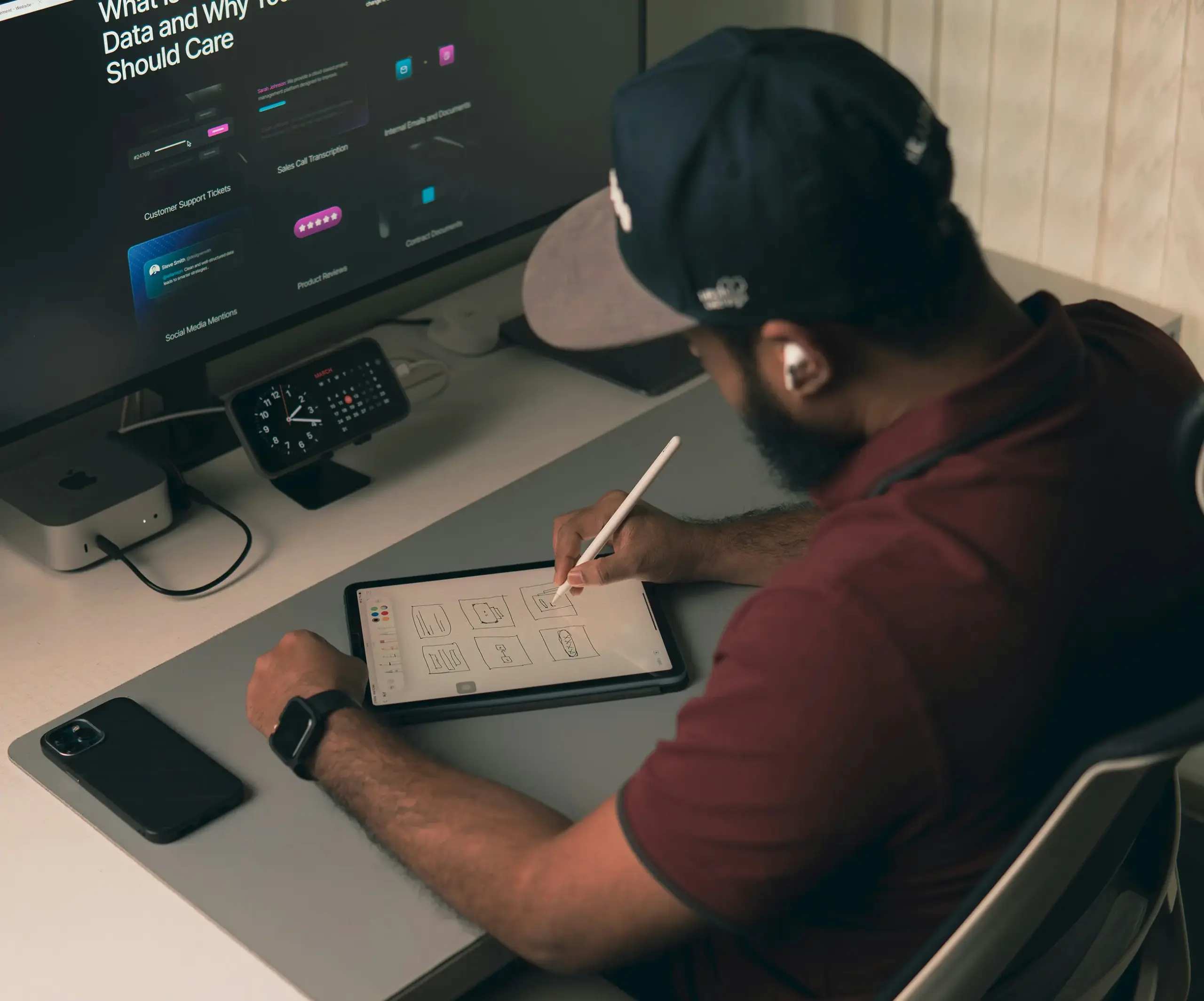
Wireframing is the process of creating a simplified visual blueprint of a digital product. It focuses on structure rather than aesthetics, outlining layouts, content hierarchy, navigation, and core functionality. Wireframes remove visual distractions so teams can focus purely on usability and logic.
Prototyping takes wireframes a step further by introducing interaction. A prototype allows stakeholders and users to experience navigation flows, actions, and functionality before development begins, providing a realistic preview of the final product.
Together, these techniques help businesses:
- Visualize ideas and design concepts early
- Align designers, developers, and stakeholders
- Test usability and refine workflows
- Reduce cost, risk, and development time
- Improve the overall quality of the final product
By using wireframes and prototypes, teams can ensure that their design decisions are informed, strategic, and focused on delivering real user value.
Conclusion
Wireframing and prototyping are essential steps in building successful digital products. They bring clarity to ideas, reduce development risks, and ensure products are designed for real users. At Softiconic, our user-centered approach and design expertise help businesses transform concepts into high-performing, engaging digital experiences that drive measurable growth.